
Blog
Discover our latest articles and blogs
Hiss in Your Mix: Find It, Fix It, Keep the Life
Hiss in a mix usually starts at the source. Learn how to tell hiss from sibilance, fix it with gain staging, expanders and denoising, and know when to stop.
How to Read a Loudness Meter: LUFS in Your Mix
Learn what momentary, short-term and integrated readings mean, which one to watch while you mix, and how to set up your meter so the numbers can be trusted.
Plugin Latency Compensation: How It Works and When It Fails
Learn how plugin delay compensation keeps your mix in time, why it sometimes fails, and how to check and fix latency problems in your DAW session.
Transient Loss in a Mix: Causes, Diagnosis and Fixes
Transient loss is when the attack of kicks, snares and vocals gets flattened or masked. Learn how to hear it, find the cause and restore punch without guesswork.
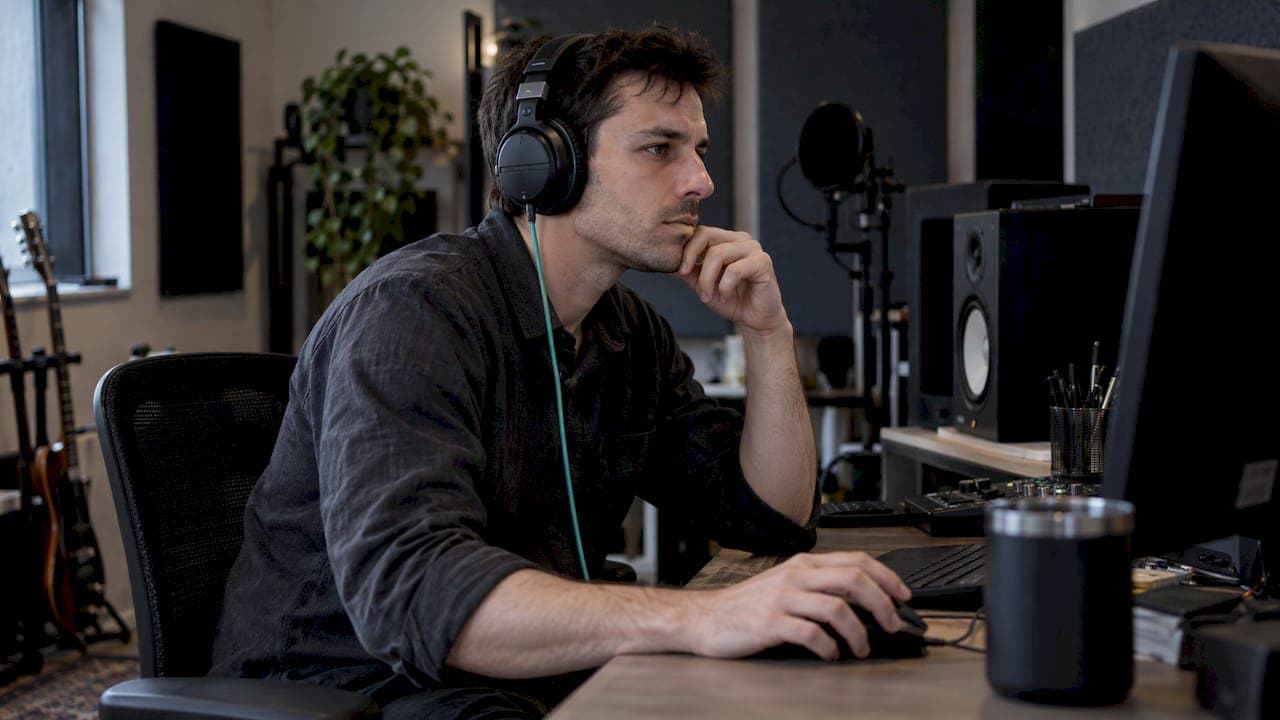
Deesser Settings: Audition Vocals, Then Aim for 3–6 dB
Find vocal sibilance by auditioning the detector, target 3–6 dB of reduction, and combine plugin control with clip gain or automation for tricky phrases.
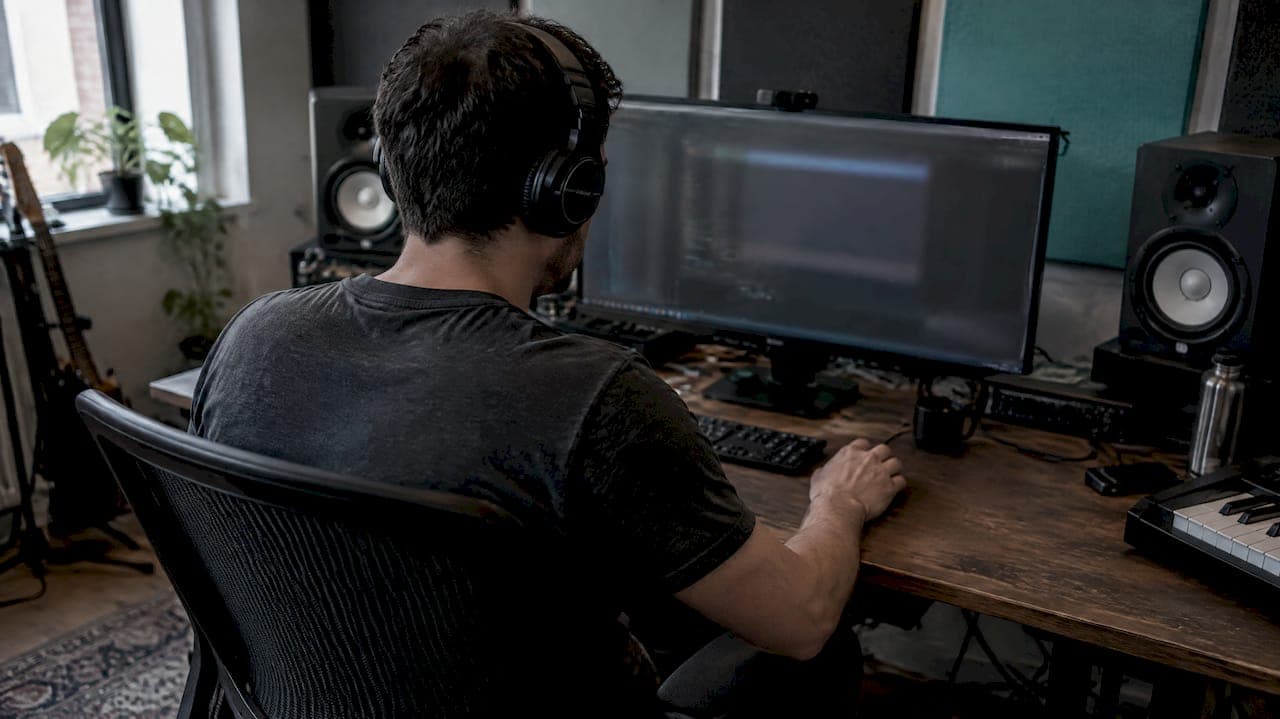
Mix Headroom: The −3 to −6 dBFS Rule Has a Catch
Learn how much mix headroom to leave before mastering, why −3 to −6 dBFS is only a starting point, and how to check unclipped exports before delivery.
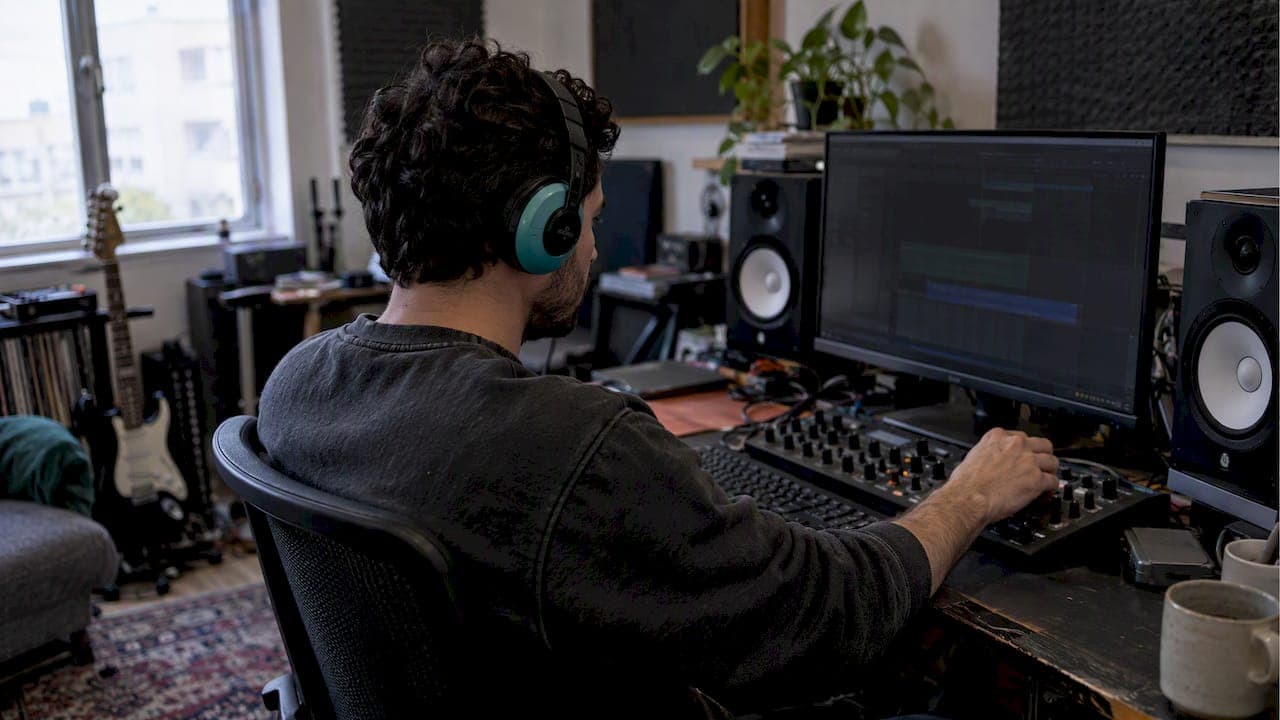
Pumping Compression: Sync the Release Instead of Guessing
Learn how to create, control, or remove pumping compression with tempo synced release settings, sidechain filtering, numeric starting points, and a mix...
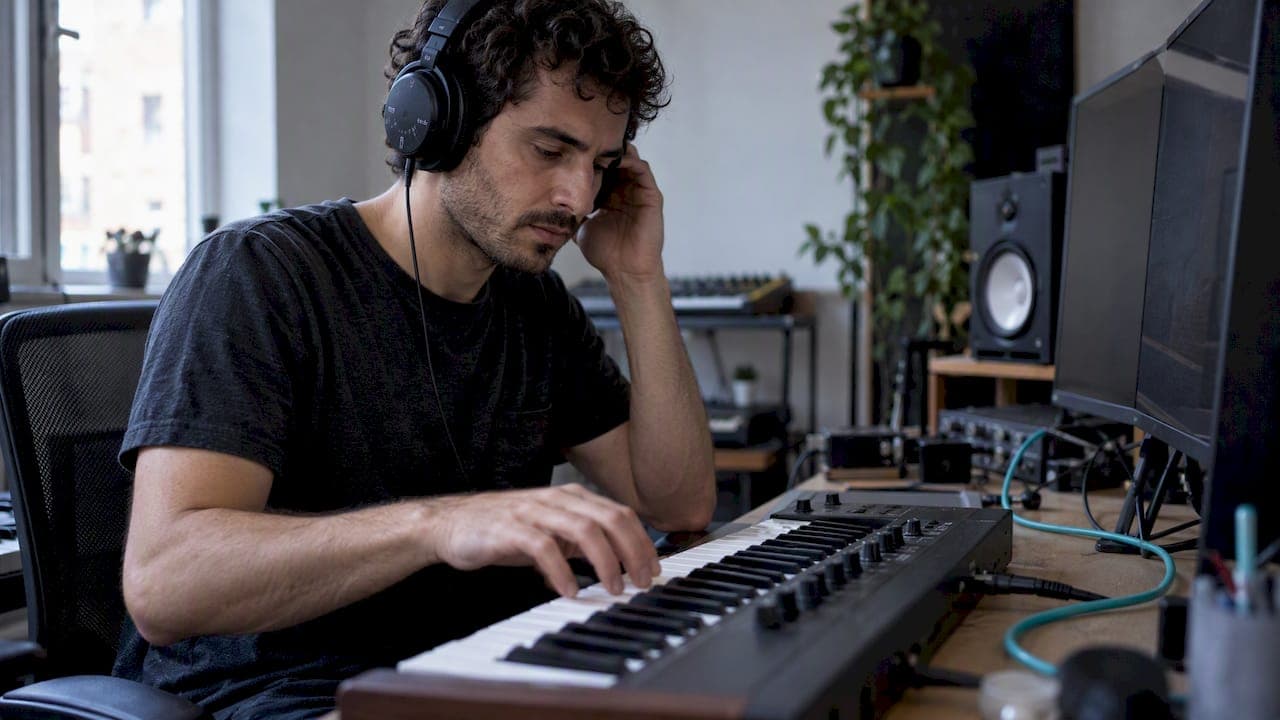
Aliasing Distortion: Hear the Metallic Artifacts, Then Fix Them
Learn to hear aliasing distortion’s metallic artifacts, test with a sine sweep, and reduce it through oversampling, filter placement, and newer ADAA methods.
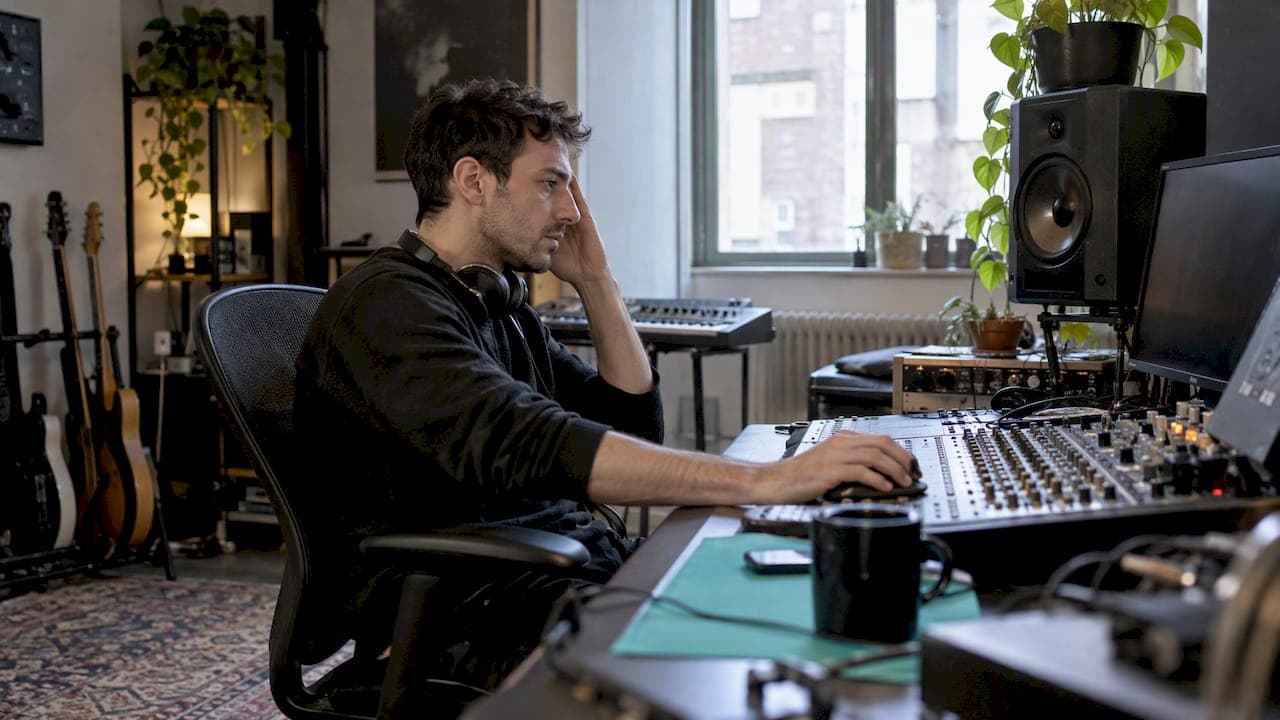
Ear Fatigue While Mixing: What 6,000+ Reports Reveal
See how ear fatigue distorts mixing decisions, what 6,000+ mix reports reveal, and how a 10 to 15 minute break can help reset your ears before edits go wrong.