
Blog
Discover our latest articles and blogs
Mix Headroom: The −3 to −6 dBFS Rule Has a Catch
Learn how much mix headroom to leave before mastering, why −3 to −6 dBFS is only a starting point, and how to check unclipped exports before delivery.
Pumping Compression: Sync the Release Instead of Guessing
Learn how to create, control, or remove pumping compression with tempo synced release settings, sidechain filtering, numeric starting points, and a mix...
Aliasing Distortion: Hear the Metallic Artifacts, Then Fix Them
Learn to hear aliasing distortion’s metallic artifacts, test with a sine sweep, and reduce it through oversampling, filter placement, and newer ADAA methods.

Ear Fatigue While Mixing: What 6,000+ Reports Reveal
See how ear fatigue distorts mixing decisions, what 6,000+ mix reports reveal, and how a 10 to 15 minute break can help reset your ears before edits go wrong.
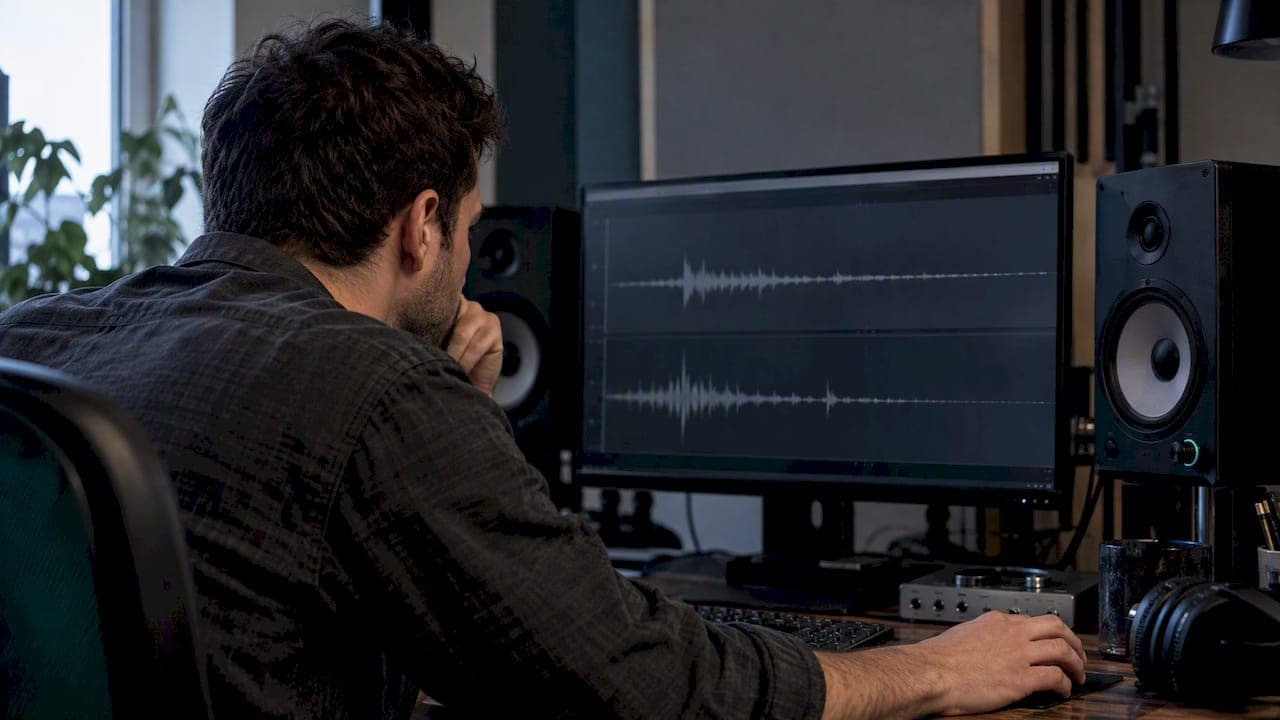
Phase Rotation in Audio: Measure First, Then Shape Peaks
Learn how phase rotation changes waveform peaks without altering tone, when to watch phase relationships, and how to test fixes in your DAW before limiting.
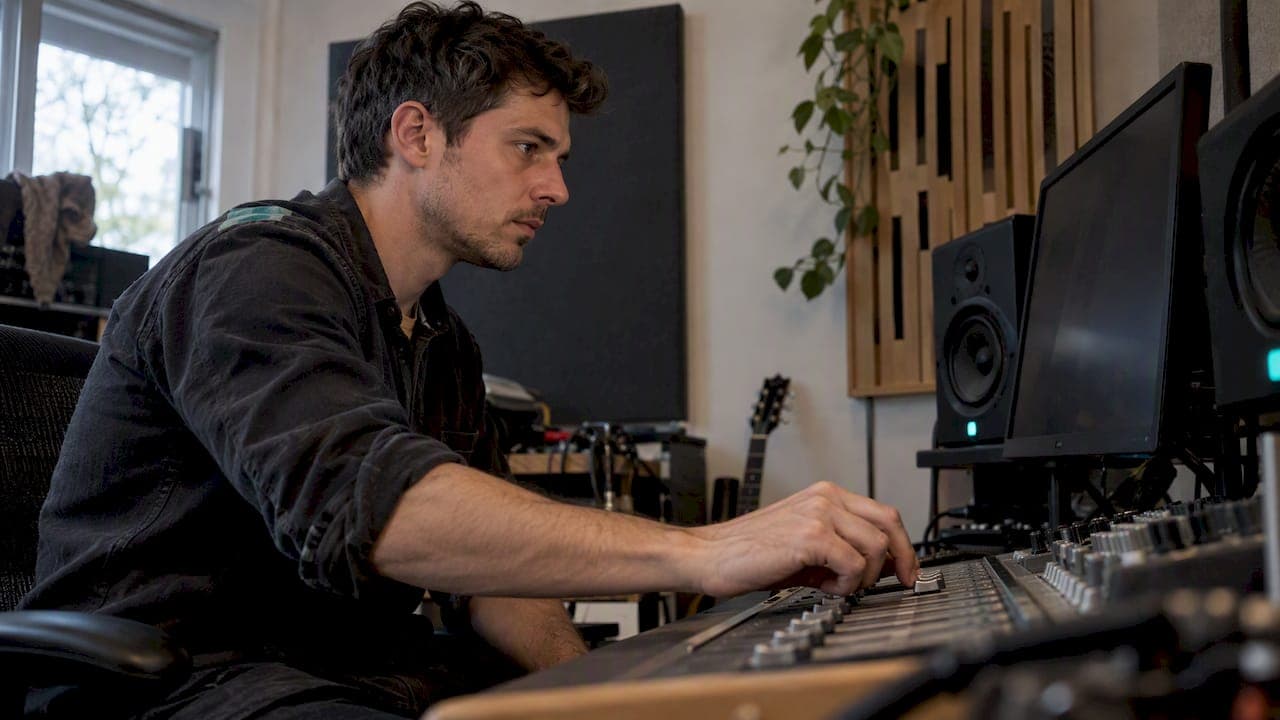
Pre-Fader Metering: Why a 10 dB Fader Move Misleads
Learn what pre-fader metering reads after inserts, where to set it in Logic, Pro Tools, and Cubase, and how to use it for gain staging and mix reviews.
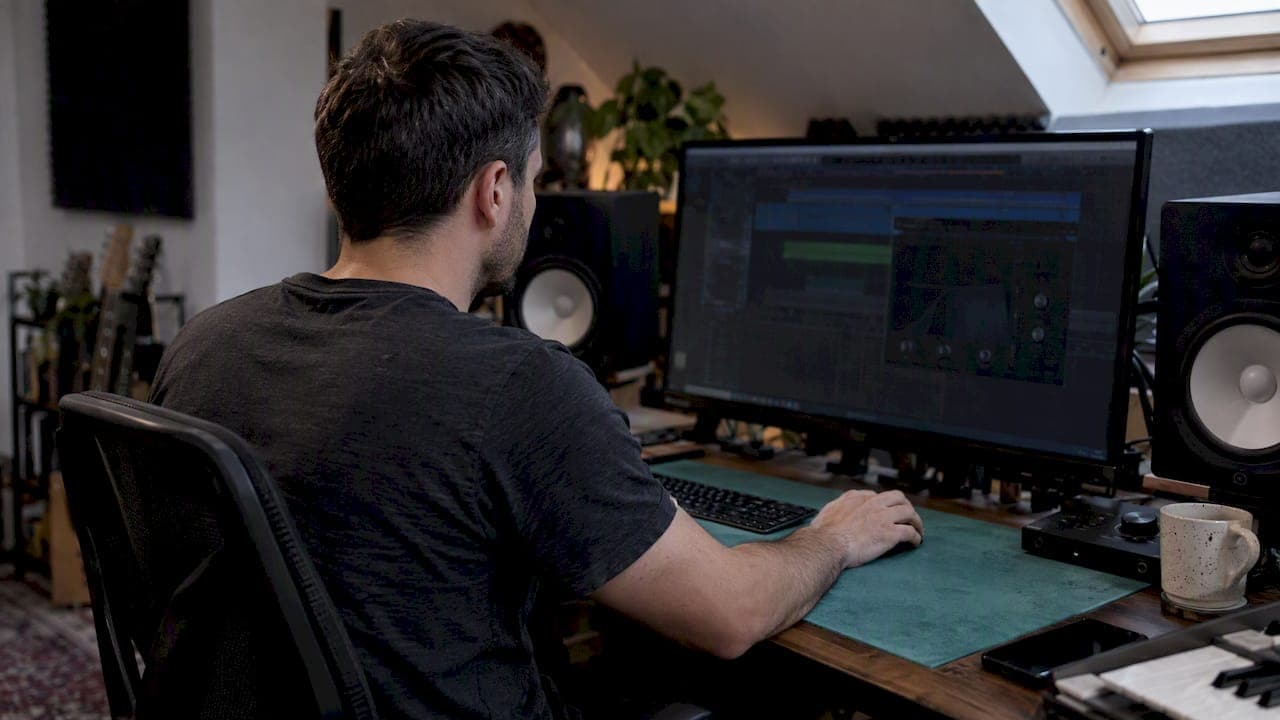
2:1 or Dynamic EQ? Sidechain the Bass to the Kick in Any DAW
Route the kick to a bass compressor in any DAW. Start at 2:1 to 4:1, compare filtering, dynamic EQ, and ghost triggers, then refine with AubioMix feedback.
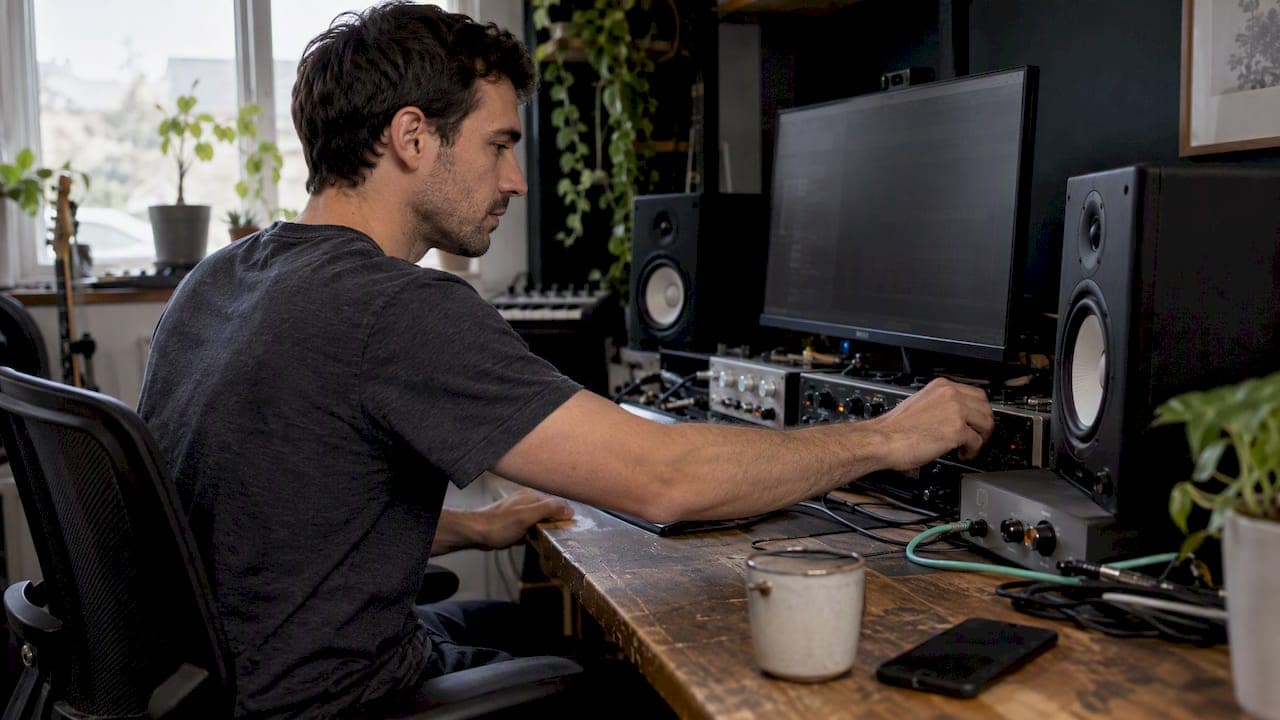
Parallel Saturation: Two DAW Setups That Keep Punch
Set up parallel saturation in any modern DAW, shape the wet path with filtering, polarity, and oversampling, then use an AubioMix review to check the mix.
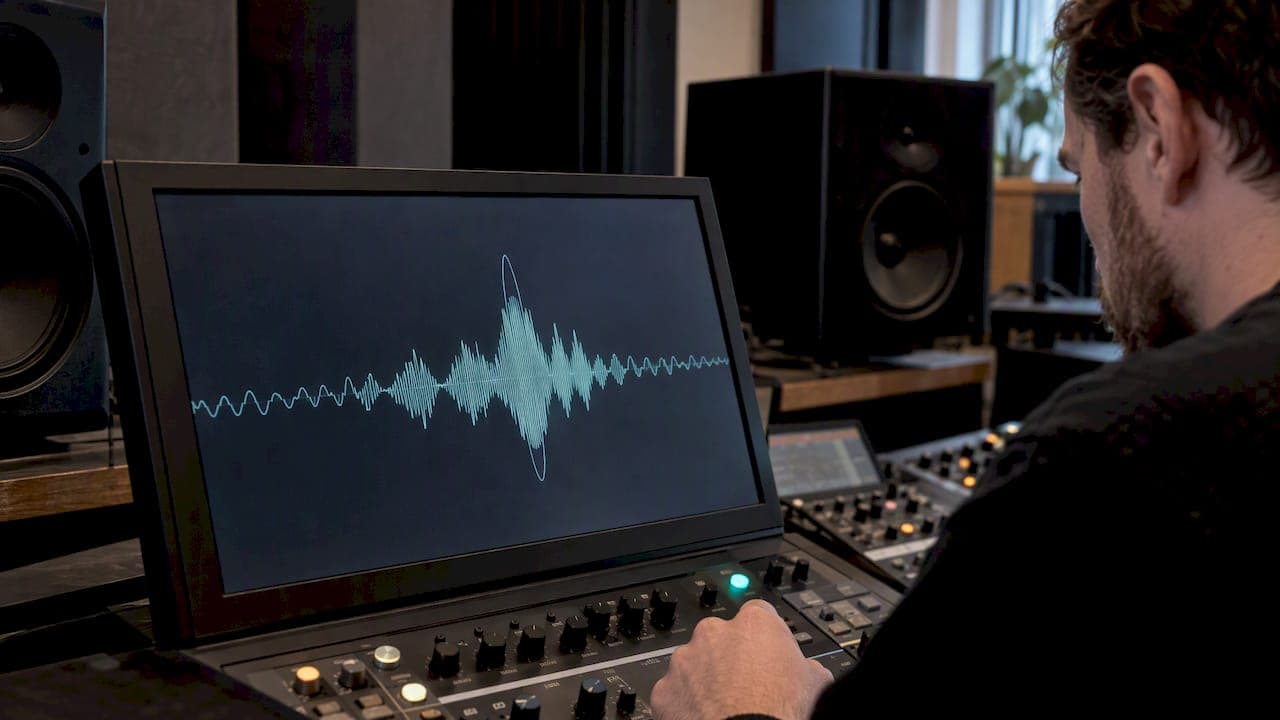
Mastering Engineers: Stop Intersample Peaks with −1 dBTP Headroom
Measure true peak, master to −1 to −2 dBTP, and follow the article’s step‑by‑step checks from meters to limiters. Automate true‑peak QC and fixes with...