

Mix feedback delivery best practices are techniques that ensure mix notes are clear, timely, and anchored to specific audio moments so that revisions happen faster and with less confusion. Poor feedback costs producers hours of wasted revision time and erodes trust between engineers and clients. The good news is that structured approaches, like the "What, Why, How" model and timestamped comments, turn vague impressions into precise technical briefs. Research shows that 48% of professionals in collaborative environments report higher engagement when they receive feedback multiple times weekly. That figure translates directly to the studio: frequent, low-stakes feedback loops keep creative momentum alive and reduce the anxiety that builds when notes arrive in one overwhelming batch.
1. Mix feedback delivery best practices: start with timing
Timely feedback is the single most controllable variable in any mix revision cycle. Feedback delivered within 24–48 hours of a listening session preserves the detail freshness that makes notes useful. Wait longer and the specific sonic impression fades, leaving behind only vague feelings like "something feels off in the chorus."
Frequent, low-stakes check-ins also reduce the anxiety that builds when feedback arrives in one large, high-stakes batch. A quick voice note or a short written comment after each rough mix pass keeps the conversation alive without creating pressure. Think of it like tuning a guitar string gradually rather than cranking it all the way in one go.
- Send initial notes within 24 hours of the listening session.
- Break large revision lists into smaller, prioritised batches.
- Schedule brief check-ins between major mix versions rather than waiting for a "final" draft.
- Keep early-stage feedback focused on arrangement and balance, not fine details like reverb tail length.
Pro Tip: Set a calendar reminder immediately after a listening session to send your first round of notes. Even a three-sentence voice memo sent the same evening beats a polished document sent four days later.
2. How to deliver specific, actionable mix feedback

Only about one-third of professionals receive specific, actionable feedback in their working lives. That gap is even more damaging in mixing, where vague notes like "make it sound bigger" give an engineer nothing concrete to act on.
The "What, Why, How" model closes that gap. Each note names the issue (What), explains why it matters to the track (Why), and suggests a direction for fixing it (How). For example: "The kick drum is getting lost under the bass guitar around 200Hz (What). It makes the low end feel muddy and undefined (Why). Try a narrow cut on the bass around 180–220Hz to carve space for the kick (How)."
- Name the element. Identify the specific instrument, frequency range, or effect causing the issue.
- Describe the problem. Use sonic language: "boxy," "harsh," "thin," "masking the vocal."
- Explain the impact. Connect the technical issue to the emotional or artistic goal of the track.
- Suggest a direction. Offer a starting point, not a prescription. "Try pulling back the room reverb on the snare" is more useful than "fix the snare."
- Use timestamps. Pin every note to a specific moment in the track so the engineer can locate the issue instantly.
- Reference a comparable track. A reference mix communicates tonal intent faster than any written description.
"Structured feedback that names the issue, explains its impact, and points toward a solution turns subjective impressions into precise technical briefs. That shift from vague to specific is where good mixes are actually made."
Pro Tip: Before sending notes, read each one aloud and ask: could an engineer act on this right now without asking a follow-up question? If the answer is no, rewrite it.
3. Using timestamps and in-context comments
Timestamped comments anchor feedback to a precise moment in the waveform, eliminating the ambiguity of phrases like "in the second verse" or "near the end." When a note says "2:14 — the lead vocal is getting buried by the synth pad," the engineer knows exactly where to listen and what to address.
Threaded replies within a timestamped comment system also create a searchable record of decisions. Instead of hunting through email chains, both parties can see the original note, the engineer's response, and the agreed resolution in one place. That version history prevents the common frustration of re-litigating decisions that were already settled.
| Feedback method | Clarity | Revision speed | Version tracking |
|---|---|---|---|
| Email with general notes | Low | Slow | Poor |
| Timestamped in-context comments | High | Fast | Strong |
| Verbal-only session feedback | Variable | Variable | None |
Pro Tip: Prioritise your timestamped comments by labelling them as "Critical," "Suggested," or "Optional." This tells the engineer which issues must be addressed before the next version and which are nice-to-haves.
4. Structuring mix notes with the four-layer filter
Effective mix feedback involves four distinct layers: Intent, Priority, Version, and Commitment. Separating notes into these four layers prevents technical instructions from getting tangled with emotional goals, which is one of the most common sources of confusion between producers and engineers.
Intent answers the question "why does this matter?" It connects the technical note to the artistic vision of the track. Priority tells the engineer which issues to tackle first, preventing them from spending an hour on a subtle hi-hat detail when the vocal balance is still broken. Version specifies exactly which file the note refers to, which matters enormously when multiple mix versions are circulating. Commitment records what both parties have agreed to change, creating a clear contract for the next revision.
This four-layer approach works particularly well when managing client feedback across multiple revision rounds. Clients often conflate their emotional response to a song with technical mixing problems. The Intent layer gives you a structured place to capture that emotional context without letting it derail the technical conversation.
5. Turning feedback into a two-way dialogue
Feedback delivered as a mandate creates resistance. Dialogue-based feedback invites the engineer into the problem-solving process and produces better outcomes because the person doing the work understands the reasoning behind each note.
The simplest way to shift from mandate to dialogue is to replace statements with questions. Instead of "the snare needs more attack," try "what do you think about adding a bit more transient punch to the snare? I feel like it's getting a little soft in the mix." That phrasing invites a response and signals that you value the engineer's perspective. It also opens the door to solutions you might not have considered.
- Ask "what do you think?" after sharing a note to invite the engineer's perspective.
- Acknowledge when a note is a preference rather than a technical necessity.
- Create space for the engineer to push back on notes that conflict with the mix's technical requirements.
- Agree on a revision scope before each new mix version to prevent scope creep.
- Keep feedback sessions psychologically safe by separating critique of the mix from critique of the person.
Maintaining psychological safety matters more than most producers realise. When engineers feel judged rather than supported, they stop offering creative solutions and start playing it safe. That shift kills the collaborative energy that produces the best mixes.
6. Protecting decisions with version anchoring
Reopening settled decisions without new creative reasons is one of the most inefficient patterns in any mix project. Version anchoring solves this by treating each approved mix version as a closed chapter. Notes on version 3 do not reopen decisions made in version 1 unless there is a specific, documented reason.
Version anchoring also protects the engineer's time. When a client knows that approved decisions stay approved, they think more carefully before signing off on each version. That discipline reduces the total number of revision rounds and keeps the project moving toward a final master. Building scheduling buffers of 2–3 days before final master delivery gives everyone room to absorb last-minute requests without rushing and compromising quality.
Key takeaways
Effective mix feedback delivery combines timely, specific, and structured communication to reduce confusion and accelerate revisions across every stage of a mix project.
| Point | Details |
|---|---|
| Deliver feedback within 24–48 hours | Notes sent quickly preserve sonic detail and reduce frustration for engineers. |
| Use the "What, Why, How" model | Structure every note with the issue, its impact, and a suggested direction. |
| Anchor notes to timestamps | Timestamped comments eliminate ambiguity and create a searchable revision record. |
| Apply the four-layer filter | Separate Intent, Priority, Version, and Commitment to keep technical and emotional notes distinct. |
| Protect decisions with version anchoring | Treat approved mix versions as closed chapters to prevent inefficient revision cycles. |
What I've learnt from years of mix feedback sessions
The biggest mistake I see producers make is conflating their emotional reaction to a song with a technical problem in the mix. "This doesn't feel right" is not a mix note. It's a starting point for a conversation. The engineer's job is to translate that feeling into a technical adjustment, but they can only do that if you give them enough context to work with.
I've also learnt that version control is not a bureaucratic formality. It's the thing that keeps a project from collapsing under the weight of its own revision history. Every time a settled decision gets reopened without a clear reason, you're spending creative energy on a problem you already solved.
The other lesson that took me a while to absorb: build time buffers into every project schedule. Last-minute requests are not a sign of a difficult client. They're a sign of a client who cares about the outcome. A 2–3 day buffer before final delivery means those requests get handled properly rather than rushed through at the expense of quality.
Separating technical feedback from emotional feedback, anchoring decisions to specific versions, and building time into the schedule are not glamorous practices. But they're the ones that determine whether a project finishes on time with a mix everyone is proud of.
— Aubiomix
Aubiomix: pro-level mix feedback, built for producers
Getting detailed, structured feedback on a mix used to mean booking a session with a senior engineer or waiting days for notes to arrive by email.
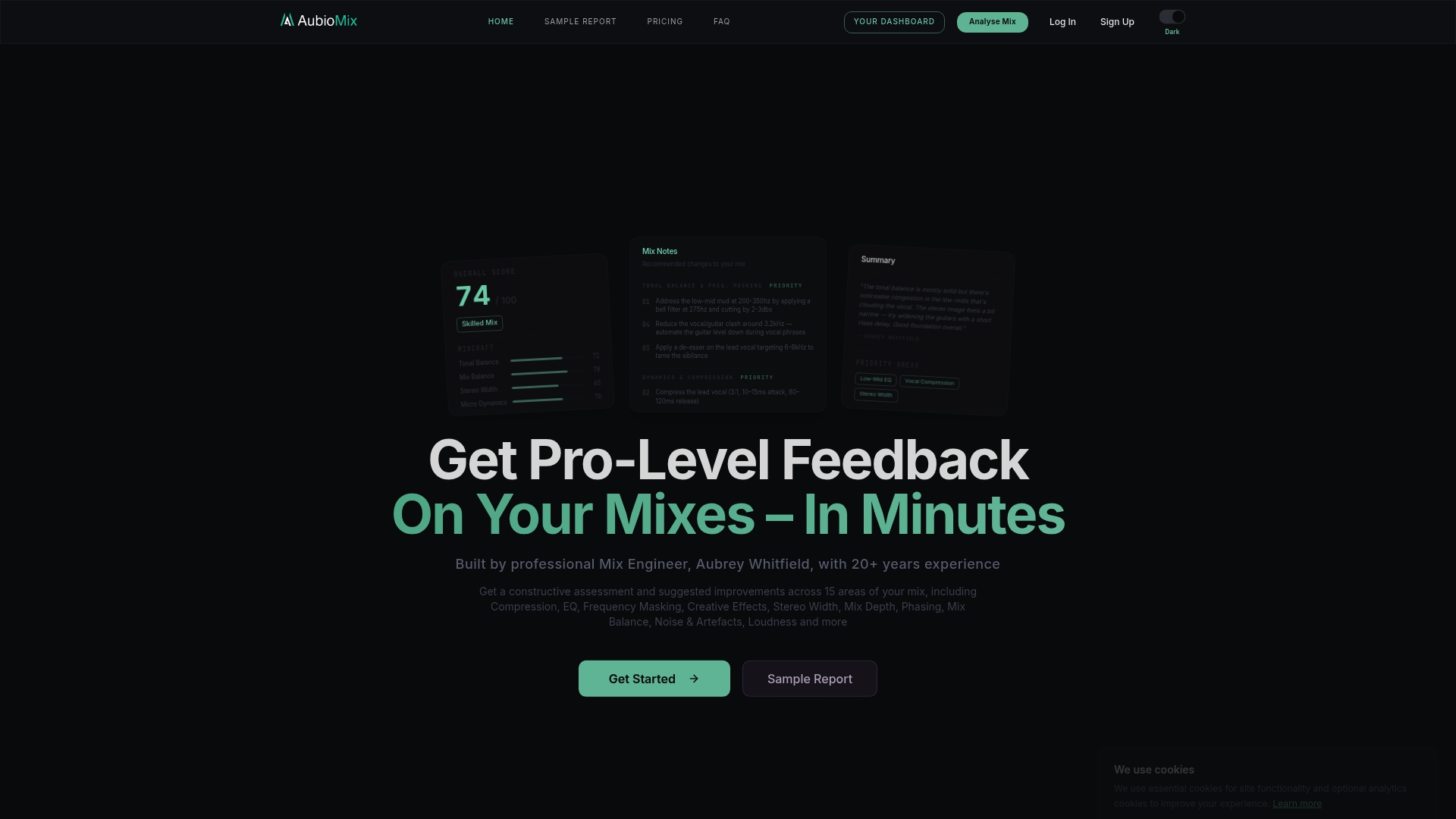
Aubiomix changes that. Upload your audio file and receive detailed mix feedback covering balance, frequency, dynamics, and spatial placement, with specific steps for improvement. Every note is structured and actionable, so you spend less time decoding vague impressions and more time making the mix better. Producers who want to apply the feedback techniques in this article to their own workflow can also explore the Aubiomix evaluation framework to see how structured assessment works in practice.
FAQ
What are mix feedback delivery best practices?
Mix feedback delivery best practices are structured techniques for giving and receiving mix notes clearly and efficiently. They include delivering feedback within 24–48 hours, using the "What, Why, How" model, and anchoring notes to specific audio timestamps.
How do I make mix feedback more specific?
Use the "What, Why, How" format: name the element causing the issue, explain its impact on the track, and suggest a direction for fixing it. Adding a timestamp and a reference track makes each note even clearer.
Why does timely feedback matter in mixing?
Feedback delivered within 24–48 hours preserves the sonic detail that makes notes useful. Delayed feedback leads to vague impressions that are harder for engineers to act on and often result in unnecessary revision rounds.
What is version anchoring in a mix project?
Version anchoring means treating each approved mix version as a closed chapter. Notes on a new version do not reopen decisions from previous versions unless there is a specific, documented creative reason to do so.
How does dialogue improve mix feedback?
Dialogue-based feedback invites the engineer into the problem-solving process rather than issuing mandates. Asking questions instead of making demands reduces resistance, builds trust, and often surfaces solutions the producer had not considered.